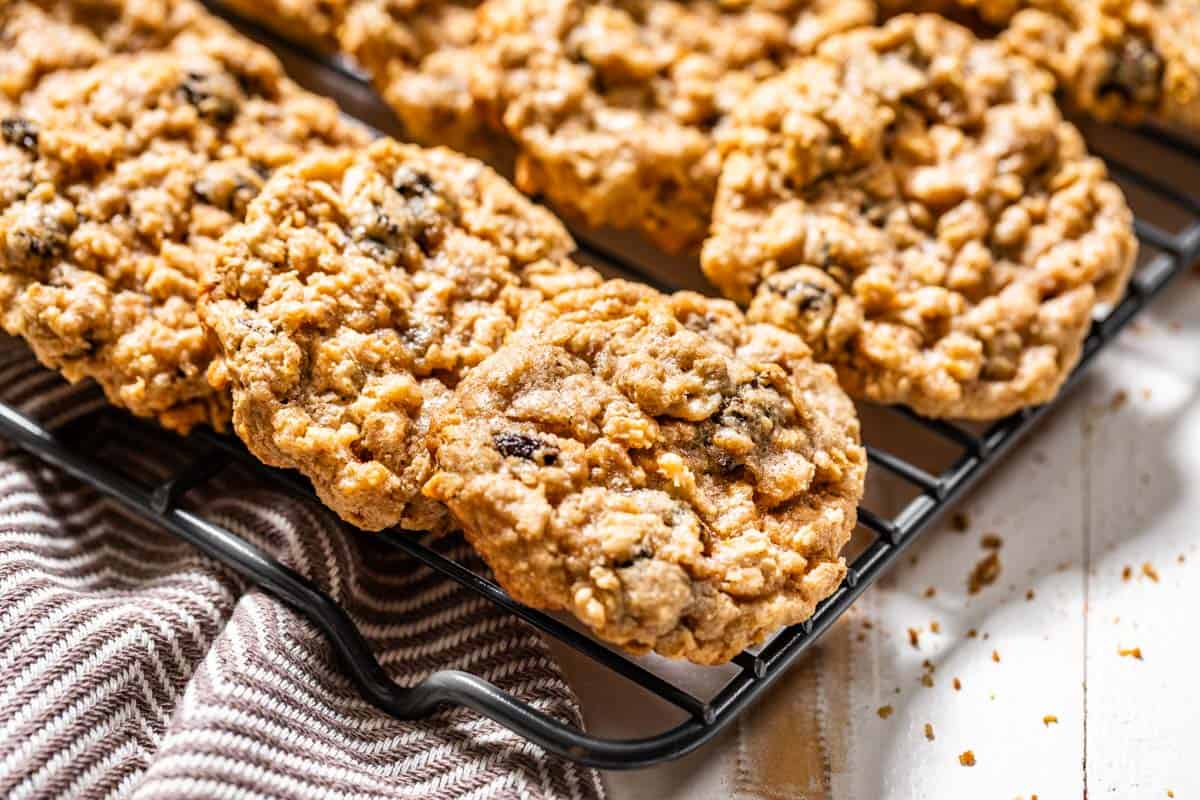
Unlock the Best Chewy Oatmeal Raisin Cookies: Turn Haters Into Lovers
Oatmeal raisin cookies. Just the name can spark a lively debate. For some, they’re a nostalgic comfort, a perfect balance of wholesome oats and sweet, chewy raisins. For others, they're the disappointing impostor in the cookie jar, mistaken for their chocolate chip cousins. But what if we told you that the secret to truly transcendent oatmeal raisin cookies lies not in converting your taste buds, but in mastering a few simple, yet profound, baking techniques? This isn't just about making *good* cookies; it's about crafting the kind of chewy, flavorful masterpieces that will turn even the staunchest critics into ardent admirers, craving every last crumb.
Forget everything you thought you knew about these polarizing treats. We're diving deep into the science and art of creating soft, chewy centers with perfectly crisp edges, bursting with rich, spiced flavor. From the ideal oat selection to clever raisin prep and the nuanced role of sugars, prepare to elevate your baking game and conquer the world, one perfectly chewy oatmeal raisin cookie at a time.
The Science of Supreme Chewiness: Oats, Moisture, and the Magic of Mellowness
The quest for the ultimate chewy cookie starts, naturally, with the oats. Their role is far more sophisticated than mere bulk. At the heart of it all is beta-glucan fiber, a natural component of oats. This remarkable fiber not only offers sustained energy release by slowing sugar absorption – a neat trick that makes these cookies surprisingly satisfying – but it also acts as a tiny moisture magnet within your cookie dough.
When you cream butter with brown sugar, you're not just combining ingredients; you're creating a network of microscopic air pockets. As the oats hydrate during baking, they fill these pockets, absorbing and retaining moisture like miniature sponges. This crucial process is what prevents your cookies from succumbing to the dreaded "cardboard texture" and is precisely why these treats remain wonderfully chewy long after they’ve cooled. As the old Dominican wisdom goes, a good cookie should "give a little" when you bite into it – that's the oats doing their exquisite work.
Choosing Your Oats Wisely: Rolled for Resilience, Not Oat Flour Alone
While the keyword "oat flour oatmeal raisin cookies" might suggest a different approach, understanding the distinct roles of various oat forms is paramount to achieving that signature chew. For the best chewy texture and visible oat flakes, old-fashioned rolled oats are your undisputed champion. Their larger surface area and robust structure absorb butter and egg moisture slowly and evenly, preventing the cookies from becoming dense or cake-like. This measured hydration creates a desirable chewiness with subtle, discernible oat pieces.
In contrast, quick oats, while convenient, have a finer cut that absorbs liquid more rapidly, often leading to a softer, more cake-like cookie rather than the desired chew. And it should go without saying: steer clear of steel-cut oats, which are far too coarse for cookie dough. So, when aiming for that traditional, satisfyingly chewy oatmeal raisin cookie, lean heavily on the integrity of rolled oats.
Now, regarding oat flour oatmeal raisin cookies: while rolled oats are key for the distinct textural chew, oat flour can certainly play a role, but with different implications. Oat flour, being finely ground, will contribute a tender crumb and a more uniform texture. If you were to substitute *all* the rolled oats with oat flour, you'd end up with a very different cookie – less textural chew, more delicate. However, oat flour can be a fantastic addition if you're looking to:
- Boost Oat Flavor: A small portion of oat flour can intensify the inherent oat flavor without drastically altering the texture, especially if paired with rolled oats.
- Enhance Tenderness: Substituting a portion of your all-purpose flour with oat flour can yield a wonderfully tender cookie.
- Go Gluten-Free: For those avoiding gluten, a recipe specifically designed for oat flour (often combined with other gluten-free flours) can be delicious, though the textural characteristics may differ from a classic rolled oat cookie.
For the classic "turn haters into lovers" chewy oatmeal raisin cookie, stick to the rolled oats as your primary oat component. If you’re experimenting with oat flour oatmeal raisin cookies, consider using oat flour as a partial substitute for the wheat flour or in addition to rolled oats for a unique, softer spin, but understand it will impact the chewiness in a different way.
Elevating Flavor and Texture: Beyond the Basics
Beyond the oats themselves, several expert techniques contribute to the unparalleled flavor and texture that define the best oatmeal raisin cookies.
The Raisin Revelation: Plumpness is Power
Often overlooked, the humble raisin holds a surprising secret to cookie perfection. Dry, shriveled raisins can become moisture thieves, pulling hydration from your precious dough during baking and leaving you with hard, unappealing fruit. The fix? A simple yet revolutionary Dominican technique: soak your raisins. Submerge them in warm water, rum, or orange juice for about 15 minutes before gently folding them into the dough. This simple step plumps them up, ensuring they remain succulent and tender, contributing to the overall moistness of the cookie rather than detracting from it. The hint of rum or orange can also add a subtle, delicious layer of flavor.
The Art of Sweetness: Brown Sugar's Deep Impact
The type and ratio of sugar in your recipe are critical. Instead of relying solely on light brown sugar, a combination of light and dark brown sugar (a 2:1 ratio is often ideal) will transform your cookies. The higher molasses content in dark brown sugar adds a richer, deeper flavor profile, contributes to beautiful golden-brown edges, and most importantly, enhances the soft, chewy texture. Molasses is a humectant, meaning it attracts and retains moisture, further ensuring your cookies stay tender and delicious.
Mastering the Mix: Creaming and Consistency
The creaming process – beating butter and sugar together until light and fluffy – is where those crucial air pockets are formed. But precision matters. If your butter is too warm, or if too much sugar is used in proportion to flour, your cookies can spread excessively and become flat. To prevent this, ensure your butter is at a cool room temperature (still slightly firm to the touch) and don't over-cream. If your dough seems too soft, a quick chill in the fridge for 30 minutes before baking can do wonders, helping the fats firm up and preventing excessive spread.
Baking to Perfection and Smart Storage
The journey to the perfect oatmeal raisin cookie doesn't end when the dough is mixed. The baking process itself, and how you handle the finished product, are equally important.
The Underbake Advantage: Patience Pays Off
This is perhaps the most crucial tip for achieving that coveted chewy texture: slightly under-bake your cookies. Remove them from the oven when the edges are just set and lightly golden, but the centers still look barely done, even a little soft or gooey. They will continue to cook on the hot baking sheet for another 2-3 minutes as they cool, achieving perfect chewiness without becoming dry or brittle. Transfer them to a wire rack only after this crucial carry-over cooking period.
Keeping Your Cookies Fresh: Storage & Freezing Tips
Once your glorious cookies are cooled, proper storage ensures they retain their optimal chewiness. Store oatmeal raisin cookies in an airtight container at room temperature. They'll remain delightfully fresh for up to one week. If you've baked a large batch or want to prepare ahead, these cookies are excellent candidates for freezing!
- Freezing Baked Cookies: Once completely cooled, pack them in a zip-top freezer bag, removing as much air as possible. They’ll stay fresh for up to three months. Thaw them in the fridge overnight or at room temperature for a few hours before serving.
- Freezing Dough: For fresh-baked goodness anytime, freeze the dough. Shape the dough into balls, or wrap the entire dough ball tightly in a layer of plastic wrap, then aluminum foil. For extra protection, place the double-wrapped dough in a zip-top freezer bag. Freeze for up to three months. Thaw in the fridge overnight before baking as directed. This is a fantastic way to ensure you always have fresh, warm cookies just a quick bake away. For more on how oats contribute to freshness, explore The Science of Chewy Oatmeal Raisin Cookies: Why Oats Keep Them Fresh.
The journey from skeptic to enthusiast for oatmeal raisin cookies is paved with these simple yet powerful techniques. By understanding the role of each ingredient and mastering the baking process, you’re not just making cookies; you’re crafting an experience. Prepare to delight your family, impress your friends, and most importantly, turn even the most vocal oatmeal raisin cookie haters into devoted lovers. Give these methods a try, and watch how quickly your cookies disappear!
