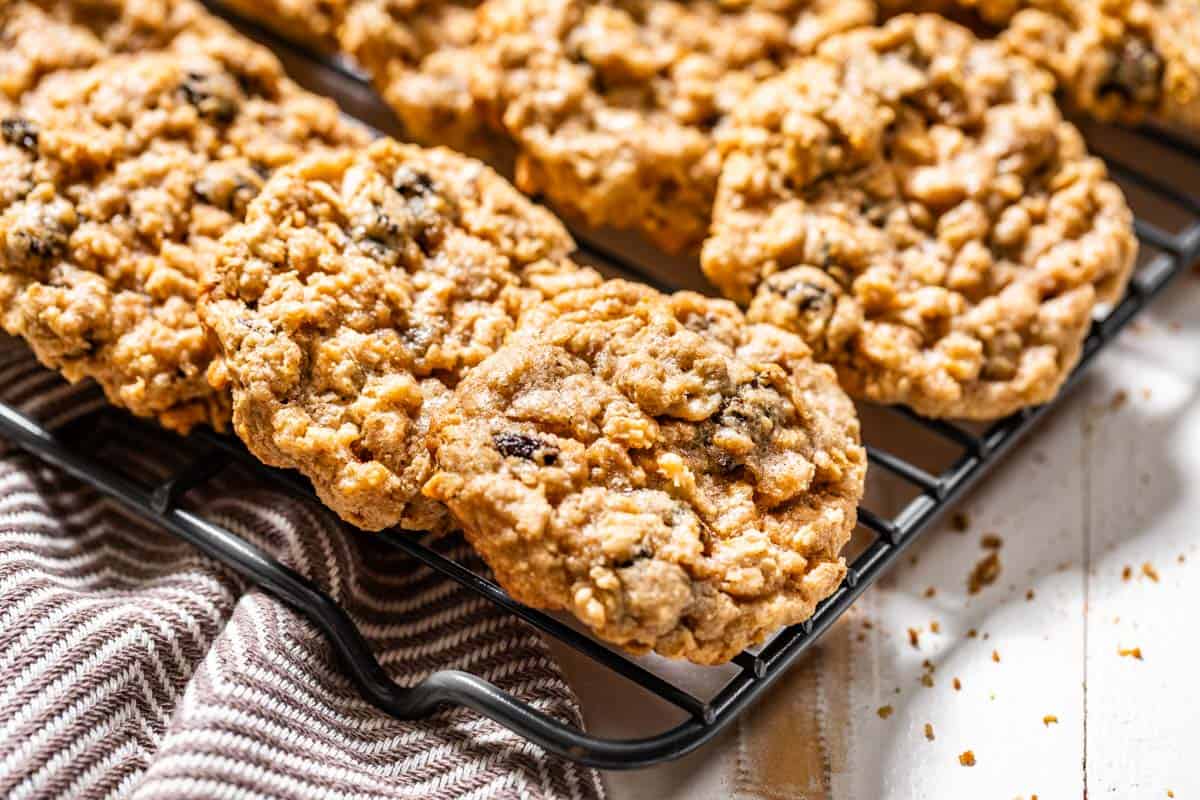
Mastering the Art of Oatmeal Raisin Cookies: From Skeptics to Superfans
Oatmeal raisin cookies have long been a culinary enigma, dividing palates with their unique blend of hearty oats and sweet, chewy raisins. Some adore them, cherishing their comforting chew and rich flavor, while others remain unconvinced, often associating them with a less-than-exciting texture. But what if we told you the secret to transforming even the most ardent critics into passionate fans lies in a few simple, yet revolutionary, techniques? This comprehensive guide will unlock the secrets to creating the best chewy oatmeal raisin cookies, focusing on meticulous oat selection and a game-changing raisin prep method, ensuring every bite delivers unparalleled softness and a perfect chew.
We're not just baking cookies; we're crafting an experience. These aren't your average, dry, or overly cakey oatmeal raisin cookies. By understanding the science behind the ingredients and employing expert tips, you'll achieve a cookie with crispy edges, a delightfully soft, chewy center, and plump, succulent raisins that make these treats truly irresistible. Get ready to impress your family and friends with a classic dessert reimagined.
The Foundation of Flavor: Unveiling Oat Secrets for Perfect Chew
The type of oats you choose is paramount to the final texture of your oatmeal raisin cookies. While the term "oat flour oatmeal raisin cookies" might suggest a uniform, dense texture, for that quintessential soft, chewy cookie with delightful texture, old-fashioned rolled oats are the undisputed champion. Here’s why:
- Old-Fashioned Rolled Oats: The Chewy Core
These oats have a larger surface area and retain their shape better during baking. They absorb moisture from your butter and eggs slowly, preventing the cookie from becoming dense or mushy. This slow absorption process is key to creating those tiny pockets that hold moisture, resulting in a distinct chewy texture and subtle oat pieces you can actually taste and feel. They are the secret to a cookie that "gives a little" when you bite into it, as some culinary traditions emphasize. - Quick Oats: A Softer Alternative
While quick oats can be used, their smaller, more processed flakes absorb liquids much faster. This often leads to a softer, more cake-like cookie rather than the desired chew. If you prefer a less textured cookie, they can work, but for ultimate chewiness, stick to rolled oats. - Instant Oats & Steel-Cut Oats: Best Avoided
Instant oats are too finely processed and tend to become mushy, compromising the texture entirely. Steel-cut oats, on the other hand, are too coarse and won't soften adequately during the baking time, making for a very unpleasantly tough cookie.
While our focus here is on the superior chew provided by rolled oats, the concept of "oat flour oatmeal raisin cookies" can also be explored. If you're looking to enhance the oat flavor and provide a slightly different texture, you could replace a small portion (e.g., 1/4 to 1/2 cup) of your all-purpose flour with finely ground rolled oats, essentially making your own oat flour. This can add a wholesome denseness and a deeper oat essence to the cookie, creating a delicious variation of `oat flour oatmeal raisin cookies` that still benefits from the whole rolled oats for that signature chew.
The Secret to Succulent Raisins: Soaking for Superior Softness
Here’s a game-changing technique that elevates your oatmeal raisin cookies from good to extraordinary: soaking your raisins. This seemingly simple step, a treasured Dominican baking secret, prevents your raisins from becoming hard, dry nuggets and instead transforms them into plump, juicy bursts of sweetness within your cookie.
Why soaking works wonders:
- Prevents Moisture Theft: Unsoaked raisins are thirsty. During baking, they'll aggressively draw moisture from your precious cookie dough, leaving both the raisins dry and the cookies prone to becoming crumbly or tough. Soaking pre-hydrates them, ensuring they contribute moisture, not steal it.
- Enhances Plumpness and Tenderness: Rehydrated raisins are irresistibly soft and juicy, providing a delightful textural contrast to the chewy oats. This is crucial for a truly indulgent cookie experience.
- Infuses Flavor: Beyond just hydration, you can infuse your raisins with additional layers of flavor.
- Warm Rum: A classic choice for a sophisticated, warming note.
- Orange Juice: Adds a bright, citrusy zing that beautifully complements the oats and spices.
- Warm Water: The simplest option, effective for pure hydration.
- Coffee or Tea: For an intriguing depth of flavor, experiment with strong, warm coffee or black tea.
Simply soak your chosen raisins in warm liquid for about 15 minutes before gently draining them and folding them into your dough. This small effort yields immense rewards in flavor and texture.
Crafting the Perfect Chew: Dough Dynamics & Baking Brilliance
Beyond oat selection and raisin preparation, the way you assemble and bake your dough plays a critical role in achieving that sought-after chewy texture and lasting freshness. This is where the science of chewy oatmeal raisin cookies truly comes alive.
- The Magic of Creaming Butter and Sugar: When you cream butter with brown sugar, you're not just mixing ingredients; you're incorporating air, creating tiny pockets within the mixture. As the oats hydrate during baking, they fill these air pockets with moisture, acting like tiny sponges. This unique property of oats is why these cookies stay chewy longer than many other varieties, preventing that dreaded "cardboard texture."
- The Perfect Sugar Blend: For optimal flavor and texture, use a combination of light and dark brown sugar, ideally in a 2:1 ratio (e.g., 2 parts light brown, 1 part dark brown). The molasses in dark brown sugar not only adds a rich, deep flavor profile but also contributes to those beautiful golden-brown edges and keeps the centers wonderfully soft and chewy.
- The Art of Under-Baking: This is a crucial tip for achieving peak chewiness. Pull your cookies from the oven when their edges are just set and golden, but their centers still look slightly underdone and perhaps a touch glossy. Cookies continue to cook on the hot baking sheet for 2-3 minutes after being removed from the oven, a process known as "carry-over baking." This brief period of residual heat finishes them perfectly, resulting in that ideal chewy texture without drying them out.
- Chilling Your Dough: If you find your oatmeal raisin cookies are spreading too much and becoming flat, the culprit is often butter that's too warm or an incorrect butter-to-flour ratio. Chilling your dough for at least 30 minutes (or even overnight) before baking helps solidify the butter, preventing excessive spreading and ensuring thicker, chewier cookies.
Storage and Freezing for Lasting Enjoyment
The goodness of homemade oatmeal raisin cookies can last! Properly stored, they remain delicious and fresh:
- Room Temperature: Store completely cooled cookies in an airtight container at room temperature for up to one week.
- Freezing Baked Cookies: For longer storage, cool cookies completely, then pack them in a zip-top freezer bag. They'll stay fresh for up to three months. Thaw them in the fridge overnight or let them come to room temperature on the counter before serving.
- Freezing Cookie Dough: You can also freeze portions of unbaked dough. Wrap individual dough balls or a larger dough log tightly in plastic wrap, then an additional layer of aluminum foil, and place in a freezer bag. Freeze for up to three months. Thaw overnight in the fridge, then bake as directed.
Beyond Raisins: Creative Variations & Troubleshooting
Once you've mastered the basic techniques for classic chewy oatmeal raisin cookies, feel free to experiment:
- Dried Fruit Substitutions: While raisins are traditional, feel free to substitute them with other dried fruits like dried cranberries, chopped dates, dried cherries, or even finely diced dried apricots. Each offers a unique flavor profile.
- Spice it Up: Don't underestimate the power of spices. Cinnamon is a must, but a pinch of nutmeg, allspice, or even a tiny amount of ground cloves can add depth and warmth. A good quality vanilla extract and a touch of salt are also crucial for balancing the sweetness and enhancing overall flavor.
- Nutty Additions: For extra texture and flavor, consider adding chopped walnuts or pecans to your dough.
- Troubleshooting Flat Cookies: Beyond chilling your dough, ensure your butter isn't melted or excessively soft when creaming. The butter should be softened but still cool to the touch. Also, make sure your baking soda/powder is fresh and properly measured.
Mastering oatmeal raisin cookies is less about following a rigid recipe and more about understanding the science and art behind each ingredient and technique. By focusing on the right type of oats for that signature chew, embracing the secret of soaked raisins, and perfecting your baking method, you'll transform these often-misunderstood treats into a beloved staple. Get ready to turn skeptics into devotees and share the joy of truly perfect, chewy `oat flour oatmeal raisin cookies` (crafted with the best whole oats for texture!).
